
14 Sep The best products to combat mold? Eliminate the problem at its source
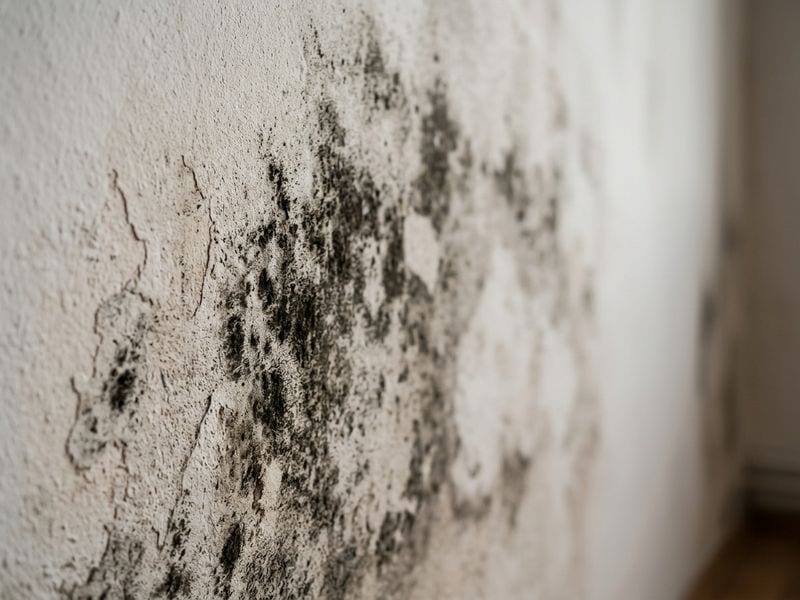
When mold stains appear on floors, walls, or ceilings, the first reaction is usually to look for the best products to combat mold in any store. Although these solutions visually remove the fungus, most of them do not address the technical cause behind it. You will see why surface treatments are often insufficient against persistent damp, what preventive measures you can take, and in which situations a professional diagnosis is essential to prevent the problem from repeatedly returning to your home.
Contenidos
- Why cleaning mold does not eliminate the root of the problem
- Temporary measures: what products to use to remove visible stains
- When a professional damp diagnosis is necessary
- Limitations of dehumidifiers and structural solutions
- How to identify the real source of damp in your home
- Daily habits to prevent mold from returning
- Organising the space to prevent damp areas
Why cleaning mold does not eliminate the root of the problem
When mold stains appear on walls, the natural tendency is to apply cleaning products, but this is merely a cosmetic solution. The difference between surface mold and structural growth is significant: while the former can be removed with a cloth, the latter indicates excess moisture penetrating the building materials. By hiding the stain without correcting the cause, the fungus continues to grow inside the affected material, which not only damages the property but also constantly releases spores into the air, affecting indoor air quality and the health of those living in the home.
Temporary measures: what products to use to remove visible stains
While the cause of the damp is being identified and corrected, these measures can help temporarily reduce visible mold stains and make the cleaning process safer:
- White vinegar: Use pure, undiluted vinegar in a spray bottle. It can help break down surface mold without the chemical risks associated with some other products.
- Isopropyl alcohol: It is useful for disinfecting small areas after mold has been removed, as it evaporates quickly and does not add moisture to the surface.
- Personal protection: It is essential to wear an FFP2 mask, nitrile gloves, and safety goggles to avoid inhaling spores during cleaning.
- Caution: These methods are not a permanent solution. Cleaning should only be considered a temporary measure while the underlying structural problem is addressed.
When a professional damp diagnosis is necessary
If mold keeps returning after cleaning, this is a clear sign that you may be dealing with a building-related problem that requires professional intervention. A professional damp diagnosis goes far beyond a visual inspection: it involves the use of technical equipment such as contact moisture meters, infrared thermometers, or ambient humidity sensors to identify where and why water ingress or condensation is occurring.
Without this preliminary analysis, any attempt to seal or repaint the affected area may be ineffective, as water will continue to find a way through or condensation will return at the cold spot, causing mold growth to reappear within a matter of weeks.

Limitations of dehumidifiers and structural solutions
When damp has a structural origin, it is necessary to go beyond temporary solutions.
- Portable dehumidifiers: These are temporary measures that only treat the symptom in the air. If the source of the damp is a leak or a thermal bridge, the appliance will never be able to dry out the root cause of the problem.
- Controlled mechanical ventilation: It is often necessary to install systems that ensure constant air renewal in order to control humidity levels in poorly ventilated homes.
- Correction of thermal bridges: Improving the insulation of façades or windows prevents water vapour from condensing on cold surfaces, removing the conditions that encourage mold growth.
How to identify the real source of damp in your home
Identifying the root cause of damp caused by condensation or water ingress requires a critical eye that only technical experience can provide. On the Costa del Sol, climatic conditions and the particular characteristics of local construction require specific knowledge of how buildings behave in a Mediterranean climate.
At Humilogic, we carry out a personalised assessment of each case, analysing the hygrothermal behaviour of the property before proposing any work. A professional damp diagnosis makes it possible to design a definitive treatment plan, avoiding unnecessary spending on generic solutions that do not work.
As specialists, our priority is to understand the specific building pathology affecting your home in order to provide a technical and long-lasting solution, rather than relying on temporary commercial products that merely hide the problem.
Daily habits to prevent mold from returning
Once the technical cause has been resolved, maintaining a healthy indoor environment depends on everyday habits that help regulate humidity.
Natural ventilation is essential. Opening windows on opposite sides of the property for at least 15 minutes a day helps remove the water vapour generated by everyday activities such as cooking or showering.
Avoiding drying clothes indoors in enclosed rooms and using extractor fans in bathrooms are complementary measures that significantly reduce the amount of moisture in the air, helping the property maintain optimal comfort levels after remedial work has been completed.
Organising the space to prevent damp areas
Maintaining good airflow is essential to allow walls to breathe and prevent pockets of trapped moisture from forming. Avoid placing heavy furniture, wardrobes or headboards directly against external walls, especially if those walls are cold. Leave a gap of approximately 5 to 10 centimetres between furniture and the wall to allow air to circulate continuously.
This helps prevent water vapour from condensing in hidden areas and developing into a new mold problem that may be difficult to detect.
Removing mold permanently requires going beyond surface cleaning. Although isolated stains can sometimes be managed with basic products, repeated mold growth is a clear sign of an underlying problem, whether caused by water ingress, rising damp or structural condensation.
For this reason, searching for the best products to combat mold will only provide a temporary fix. Prioritising a professional diagnosis will allow you to identify the real cause and apply the most appropriate technical solution, helping to create a healthier environment while protecting the structural integrity of your home on the Costa del Sol.